7 benefits of sleep hypnosis

7 benefits of sleep hypnosis

Sleep hypnosis is a wonderful method to get a better sleep

Human life follows a certain pattern. In this pattern, sleep plays an important role. A good quality sleep is necessary for feeling fresh the next day. But, the busyness of life has ruined this natural rhythm of body. A good sleep is becoming scarce due to hectic living and as a result, man is suffering from many sleep related issues like less sleep, regular nightmares, difficulty in falling asleep, daylong tiredness and much more. For treating such sleep disorders, many remedies and methods are available. One such technique is using hypnosis. Sleep hypnosis is a simple idea of using the mind treating hypnotic therapy for reducing stress where brain gets into a trance like state and gives you many benefits. Apart from getting a nice night long sleep, sleep hypnosis have many more therapeutic benefits that are discussed below.

What is sleep hypnosis?

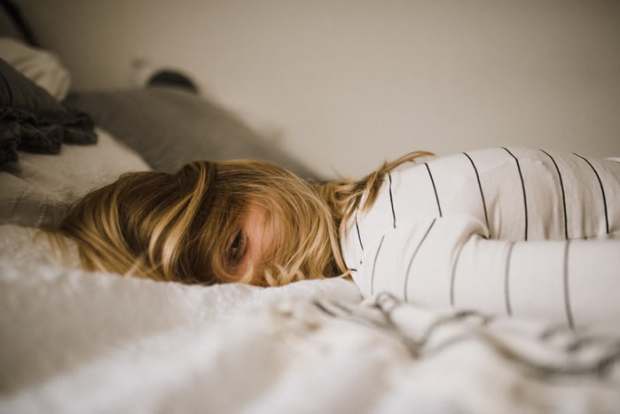
Girl using sleep hypnosis for a better sleep, the main benefit of sleep hypnosis

With the main goal of overcoming sleep disorders, sleep hypnosis is using the hypnotherapy to get body forget all it’s negative thoughts and memories and make your brain focus into soothing memories or mantras. Either done with the help of a professional hypnotherapist or with oneself by following some usual steps, sleep hypnosis makes your brain get into such a stage that your focus is improved. Sleep hypnosis results into enhanced attention, better physical and mental condition. You can experience changes in sensations, behaviours and thoughts during the therapy. There are doctors, nurses, psychiatrists, therapists and psychologists who have training in hypnotherapy and cam give you an amusing relaxation. And, there are also online websites, platforms and mobile apps where you can find audio recordings and videos giving proper suggestions that induce the feeling of peace in an individual. Experts combine sleep hypnosis with other therapies suggested for insomnia for making the patient relieve as safety as possible and building healthy sleep routine in him. These are the steps that even you can follow easily for doing a sleep hypnotherapy at home :

• Get fully comfortable – Find a space where you get comfortable and avoid all the distraction. You can lay or your bed or anywhere nearby like the couch. Relax and do some soothing activities like reading and solving puzzles.

Release tension in your body – Let your brain turn off all the thoughts. Relax it and avoid any negative memories. Release tension in your body from toe until reaching the top.

Focus on your breathing – Connect deeper with your body by concentrating on your breathing. Inhale for a long time and exhale slowly. Feel the movement in your lungs and nose while you respirate.

• Introduce a suggestion – Give your brain a relaxing suggestion. Visualize about a peaceful scenario you can think of like a beach or mountain. Or, you can say a positive mantra that is suitable for you.

This process is easy to follow and you can practice it yourself. The fourth step includes imagining thoughts and scenarios which can be difficult for some individuals. There are online resources that are specially made to make this step easy by providing suggestions in recordings.

Benefits of sleep hypnosis

Here are 7 pros of sleep hypnosis

Completely different from what hypnosis is shown in movies, sleep hypnosis is an incredible mind relaxing technique with a lot of surprising benefits. Often done in a clinical setting, sleep hypnosis has the power to cure medical issues and has following advantages:

1. Helpful in weight loss

Sleep hypnosis can help in weight loss

Due to it’s amazing effectiveness, sleep hypnosis is also used for the purpose of losing weight. Studies have found that a person can lose 6 pounds in just 18 months with the help of sleep hypnosis. The hypnosis makes your brain respond to changes more conveniently and hence, you can get more exercise and start eating healthy food. And when the hypnotherapy is combined with exercise changes and a good diet, a person can loose weight successfully. You get an enhanced awareness about food you eat, gets better acceptance of body image and respond to external cues to limit your eating. It also promotes improved quality of life and reduce inflammation.

2. Better sleep

Good quality sleep, the main benefit of sleep hypnosis

There are numerous researches proofing that sleep hypnosis gives a person the benefits of an improved sleep. According to a recent study in 2014, sleep hypnosis leaded to an 80 percent better quality slow wave sleep. A person experiences perceptions during the therapy that promotes a good sleep and reduces hot flashes, night sweats and changes in mood. A person can implement suggestions that he received during the hypnosis session. Sometimes, the effect of these suggestions lasts even after the therapy and induce peace into a person’s thoughts.

3. Helpful in pain management

You get benefit of reduction in pain with sleep hypnosis

Sleep hypnosis is a freaking good technique for easing out the nerves. According to a study 53 adults suffering from chronic pain, where one group was given a massage and other group was given hypnotherapy, hypnosis was found to be more effective in treating pain of patients. Sleep hypnosis has many mind boosting benefits. People who are dealing with different pain related conditions like cancer, arthritis, sickle cell diseases and lower back pain can also be benefitted with a few sleep hypnosis sessions. People get more self control over the pain over a long period of time.

4. Can be used for quitting smoking

You can avail benefits of quitting smoking with the help of sleep hypnosis

Sleep hypnosis can work very well in you want to quit smoking. The method works as best as other medical methods like prescribed medication and nicotine patches. There are not many researches proving so, however people have experienced improvement in their smoking behaviour with hypnosis. You can use sleep hypnosis to link smoking with a bad feeling. This bad feeling can be of a bad smell or bad taste while you smoke; or you can use hypnosis to train your mind replace smoking with different satisfying habit like chewing a gum. You can customize your hypnosis session according to your lifestyle.

5. Treats sleepwalking and insomnia

As one of the many benefits of sleep hypnosis, you can treat sleepwalking and insomnia

Sleep hypnosis makes your mind get into a state where you don’t notice what is going around you. This trance like state can make your body feel completely relaxed and avoiding sleep disorders becomes easy. If you are a sleepwalker, sleep hypnosis makes you avoid this as your body becomes highly responsive to perceptions and sensations. When you feel your feet touching the floor, your brain immediately realizes it and you wake up. You can easily fall asleep and the possibility of handling secondary and primary insomnia symptoms becomes easy. You readily fall asleep. And, the next day you feel fresh by getting an undisturbed deep sleep.

6. Helpful in treating anxiety
Sleep hypnosis relaxes your mind and manages anxiety

Sleep hypnosis is one of the popular relaxation techniques that makes a person relieve from stress and anxiety. Hypnosis is a mechanism where you introduce some good verbal cues and thoughts. Your brain imagines a lovely scene or picture that makes it overcome the effect of any negative thought. If you are dealing with stress from a chronic health problem like heart disease, sleep hypnosis can be very helpful. Not only that, if you are trying to win over your fearful phobia, sleep hypnosis can be used.

7. Eases symptoms of Irritable Bowel Syndrome

Sleep hypnosis gives benefit of easing of IBS
Sleep hypnosis gives benefit of easing symptoms of IBS

Irritable Bowel Syndrome is a common disorder that affects intestine causing pain in your belly and other stomach related issues like gas, diarrhea and constipation. Secondary disorders like nausea, backache and fatigue are also caused by IBS. Sleep hypnosis is practical in treating IBS as backed by several clinical studies. According to a 2003 study on 204 individuals suffering from Irritable Bowel Syndrome, 71 percent patients showed improvement in their stomach after a 12 weekly sleep hypnosis session that lasted for an hour. Hypnosis works great in treating secondary symptoms of IBS.

All these benefits suggest that sleep hypnosis is a super effective mean of curing numerous issues that can affect your sleep. Hypnosis has always been a mysterious technique but the studies that are conducted so far show that sleep hypnosis works for success. Sleep hypnosis works great in protecting and promoting physical and mental health. However, there should be more researches to show about the long lasting benefits of sleep hypnosis in it’s effectiveness in dealing with quitting smoking and weight loss.

Is Sleep Hypnosis Dangerous?

Is Sleep Hypnosis Dangerous?

A girl sitting and practicing sleep hypnosis

While it is very normal to get different sleep disorders in this chaotic world, many methods have been adopted from time to time to improve the quality of our sleep. One of such scientifically proven methods of curing sleep related issues is sleep hypnosis. This controversial method is widely used for treating many major problems mentally. Sleep hypnosis is successful in treating anxiety, insomnia and mental conditions, quitting smoking and even in weight loss. But, apparently hypnosis is a mysterious subject. Ever since it is used, hypnosis has been always criticized by the masses as they believe in what is portrayed about hypnosis in TV programs. Despite the fact that there are many researches providing proof that sleep hypnosis is operative in getting a relaxed state of mind that gives a better quality slow wave sleep, people seems to criticize this method. If you are also interested to know the reality about all the beliefs that you may have probably made about sleep hypnosis, then this article is for you. Read along to clear all your doubts.

The main objective of sleep hypnosis is to make a person get a better control of his sense of awareness such that he can avoid any negative feelings and easily fall asleep. While he goes into a trance like state, it improves the focus on a person. Many therapists consider this method very practical with almost zero side effects. You can use hypnotherapy to improve your overall sense of well being. You can treat your severe medical conditions without any surgery or extra medication with the help of this mental technique. According to a study in 2016, researchers found that people who undergone a hypnosis session experienced many changes in their brain that helped them in getting less self consciousness and greater physical and mental control.

How exactly does sleep hypnosis work?

Girl trying to sleep with sleep hypnosis

Sleep hypnosis is a brain soothing method whose session can last for around an hour. The therapy can be done with the help of a professional or can be done by oneself alone. A professional tries to change a person’s negative behavior into positive one by making their mind more responsive and body more relaxed. The expert makes an individual get into a hypnotic state where he is still self aware and conscious. The expert gives suggestions to the patient. The patient becomes responsive to such suggestions. Today, there are numerous online platforms and applications where one can practice sleep hypnosis without the need of any expert. The work of the professional is done by an audio session which a person can listen to for getting a deep sense of relaxation. Sleep hypnosis can be easily done by laying at a comfortable place like bed or couch, concentrating on breathing and then getting subconscious by visualizing any scenario that calms you down or saying any positive affirmation or mantra that makes you relaxed. This whole session leads to a peaceful undisturbed sleep.

What are the risks associated with sleep hypnosis

There are a few risks connected with sleep hypnosis

Even with the high success of sleep hypnotherapy, there are a few risks related with this therapy. One important risk that is largely affected by this therapy is the possibility of creating false memories. And, this method requires a lot of focus and attention on the part of the person to get into the trance like state, many people find in difficult to introduce the suggestions like visuals and mantras into their session that makes the therapy not effective. A person may not get the required results in one time. And, he may need to practice it many nights to get the maximum effect. People who have symptoms of delusions and hallucinations may not get the desired benefits from sleep hypnosis. There is a chance to suffer from other side effects like headache, anxiety and dizziness. Their effect however fades away after the therapy. It is always advisable to take knowledge of your doctor.

Is sleep hypnosis safe?

Safety about hypnosis has always been a matter of concern

Sleep hypnosis can prove quite good in treating sleep related problems and has the ability to make a person more relaxed in general. The method is treated very safe and has been used since 19th century in surgeries and other medical practices. This inexpensive therapy is normally considered safe by people. Most people do not suffer any negative side effects. However, it is to be noted that if you have any health condition that is affecting your sleep, then it is important to consult a medical professional for treating that condition.

Is sleep hypnosis bad for brain

Is sleep hypnosis mind control?

Sleep hypnosis is not bad for brain at all. During sleep hypnosis therapy, the person is generally open to the suggestions given by the hypnotherapist and his brain becomes more responsive. The person is in a hypnotic state but he can still control his decisions and demonstrate his authority. It is generally believed that hypnosis is controlling the bad which is bad for the brain, but this is just a false statement. There are people who get hypnotic easily and seems to be under the control of the therapist, but it should not be mismatched with controlling brain and it’s ability to take decisions.

Is it bad to hypnotize yourself to sleep?

Doing sleep hypnosis yourself can be tough but not bad

There are many practitioners and doctors who have a good experience in hypnotherapy and can make your hypnosis session easier. But nowadays, use of recorded audios, videos and mobile apps for sleep hypnosis is increasing for hypnotherapy as people think it to be more practical to listen to an audio at home than going to a doctor’s clinic. It is not bad to hypnotize yourself for sleep. The technique may calm your brain deeply making you fall asleep easily. A good slow wave sleep is important for physical and mental recovery and a sleep hypnosis session can give modest results. It should not ve denied that people got symptoms of depression and anxiety after a hypnotherapy session in rare cases. If you want to make the most out of your sleep hypnosis session, then first get advice of your doctor. And, get the service of a trained person to get a high quality sleep.

How to find a hypnotherapist?

Hypnotherapist can make your sleep hypnosis session more successful

It is recommended to get the sleep hypnosis session being held by a professional who have a good experience on doing hypnosis sessions. There are many organizations and licensed agencies that provide services of a trained and experienced hypnotherapist. You can also contact your family therapists, social workers, dentists, nurse practitioners and doctors to know if they use hypnotherapy in their practice. You can also ask for referrals from them. Consider calling ahead for price details.

Other ways to get a good sleep

There are many easy ways besides sleep hypnosis to get a good sleep

Apart from sleep hypnosis, there are many easy to follow steps that you can keep in your mind to treat your bad sleeping routine. As sleep hypnosis may not be effective always, it is worthy to look out for these sleep hygiene improvements in your life to promote your sleep: –

• Avoid drinking coffee, tea, sugar and alcohol

You should not drink any caffeine rich items like coffee, soda and tea that keeps lingering in your body even after you have taken the food in the afternoon or evening. As sugar and alcohol also have the same stimulating effect, you should also avoid them for better sleep.

• Schedule your sleep time

Make efforts to go to the bed same time everyday if you are facing trouble falling asleep at night. Our body has the habit to get aligned to rhymes and schedules and going on to bed at the same time each day makes your body believe that it’s the time to take rest. You can also establish a similar evening routine like reading a book signalling your brain to get ready for sleeping.

Exercise has an impact on sleep

Generally, a high intensity exercise during evening hours can badly affect your sleep. A mild exercise before going to sleep is considered safe and do not affect sleep cycle but it is advised to do workout atleast a few hours before going to sleep. A simple yoga or walking is best before sleep if you want to exercise. Running and high intensity cardio shall be done in morning time only.

• Plan your evening meal

Do not take protein heavy food items that your digestive system will be working hard to process. You should take your evening meal around 1-2 hours before you sleep. Also, do not drink too much liquid before going to bed to reduce the urge to go to the bathroom.

Use of hypnosis technique has made it easy to cope with stress and anxiety affecting sleep. There are many claims to suggest that sleep hypnosis is safe and not dangerous to make efforts towards getting a better sleep. This method has a good reputation because of it’s effectiveness. There are a few side effects but their effect is not long lasting. However, more researches should be conducted to know the working of this method in a more detailed way.

What is Sleep Hypnosis and how to do it?

What is Sleep Hypnosis and how to do it?

Girl practicing self sleep hypnosis

Being able to sleep peacefully is one of the greatest joys that any person can have. And, it’s not wrong to say that with today’s hectic lifestyle, getting a good quality sleep is becoming more and more difficult as stress and anxiety are overrunning over the mind. As such, it becomes quite great to have an effective risk free sleep help that can be used everyday. One of such helpful methods for getting better sleep is using sleep hypnosis.

Despite the fact that hypnosis is abundantly misunderstood by people in normal routine, a sleep hypnosis is a super effective method for relaxing our subconscious mind. This scientifically proven easing technique in which a person or a recording acts as a hypnotherapist and helps one person through verbal cues in getting tranquil. This mystic technique is used for helping clients in quitting smoking, overcoming anxiety and insomnia and managing chronic pain. Before knowing how to do it, you should know a little about hypnosis.

Hypnosis – a quick introduction

Sleep hypnosis helps in relaxation with visualizations and mantras

Hypnosis is the process of making a person focus intensely on a particular image or thought. Hypnosis has the power to positivity impact a person’s thoughts and actions as the peripheral awareness is reduced and brain goes through changes during it. Popularised by James Braid, a 19th century surgeon who used hypnosis in surgeries to aid patients in pain relief and slowing bleeding. Hypnotherapy is still widely used to treat sleep related problems, anxiety, depression and other mental conditions. A recent study of 2014 has even proven that in most sleepers sleep hypnosis has improved slow wave sleep by as much as 80 percent. And, if you think that hypnosis is mid control based on what you have seen in TV shows, then it’s not the truth. A client is slightly under the influence of hypnotist, but it’s not mind control and is just for medicinal purposes. A person does not fall asleep during hypnosis, however, the person is focused intensively on an idea such that he loses his sense of awareness. With almost no side effects, sleep hypnosis can easily cure many sleep related problems.

Good sleep – a major demand

Due to bad lifestyle, sleep disorders are increasing and so the demand for sleep hypnosis

The effect of today’s busy lifestyle is clearly seen in our sleep schedule. The bad effect of insomnia is highly seen in working adults and high school students. Researches have shown that about 40% adults suffer from sleep disturbances and about 70% high school students do not get enough sleep. There are people who :

  • Cannot sleep
  • Have difficulty falling asleep
  • Have nightmares regularly
  • Have a daylong tiredness
  • Have increased movements during sleep

All these are symptoms of sleep disorder. The reason for it being stress, bad work life balance, shift work along with physical and mental health problems. Normally, sleep disturbances can be cured easily with simple medication and natural supplements, but they can have a bad long term effect on the health. Therefore, sleep hypnosis is used for helping a person relax mentally and improve attention.

How to do Sleep Hypnosis

Sleep hypnosis, the best method for treating insomnia

Sleep hypnosis is a great method for treating any kind of insomnia or other sleep related issues. The hypnosis can be done with the help of a professional or you can do this yourself at your home. The following steps can be very helpful in avoiding any distraction and helping your mind getting into a relaxing stage.

1. Get fully comfortable and relax

Find a cool place where you are comfortable and get yourself relaxed. Go to bed and lay in that position in which you are most comfortable and if you are not being comfortable while laying in bed, you can sit in your favorite position on a couch or any place where you can soothe your mind. This is important as you want to avoid any possible distracting element. As you are going to sleep, wear loose fitting clothes that won’t restrict any moment and distract you. As sleeping is easy in dark environment where your eyes and mind can relax fully, switch off any bright lights. Turn off all the TVs, computer screens and other handheld devices.

2. Do some soothing activities

For making your body more ready for hypnosis session, try to calm it down. Do relaxing activities such as reading a book, meditation, concentrated breathing and solving word puzzles. Avoid watching any screen before going to bed.

3. Relax your mind with sleep hypnosis

Start relaxing by body by letting go of all the thoughts. This is the time to release tension out of your mind and body. When we go to sleep, thinking about the day, the activities that we did throughout the day right before sleeping is actually an important factor impacting our sleep. At this very stage, you are trying to turning off your mind. After putting off thoughts, start releasing tension in your body from toe to the head. Move your toes and feel them being active, relax and release the stress. Continue this progressive relaxation process for the rest of your body parts until you get into a whole soothing state of body.

4. Concentrate on your breathing

After that you have relaxed your mind and body, delve deeper into your breathing. The effect of sleep hypnosis is somewhat similar to meditation as you close your eyes and focus on how you breathe. Inhale long and then slowly breath out the air. As you are lying on the bed, feel how the air feels when it gets in and out from your nose. Let your breathing flow smoothly and not forcefully. Focus on the activity in your nose and chest as you inhale and exhale. Let your body connect with the comfort of the mattress that you are laying on.

5. Visualize and say mantra

After you have brought breathing to a control, try to visualize the most soothing image you can think of. This relaxing scene can of a green meadow on a clear sunny day, a patio with the most amazing view of the sea, a starry night in the middle of the desert or a beach in summer. Elaborate this scenario as much as possible and give your full attention to it for maximum peace. Think of the sound, the feel of that particular image. Think of what you are doing at that place and let your brain increase alpha and theta waves that helps in relaxation. Alternatively, you can choose to say am affirmative mantra or statement during sleep hypnosis that cools you down. A positive phrase has a long lasting effect on your subconscious. Saying the peaceful phrase every time you exhale makes your brain decrease stressful thoughts.

6. Listen a sleep hypnosis recording

If you are being comfortable visualizing a peaceful scene or making relaxing affirmations, then you can also choose to listen to pre recorded voices made for sleep hypnosis. There are many online resources and digital applications where you can find a great collection of such calmful voices that are made for this specific purpose of soothing your mind. Such recordings are helpful in improving restfulness and deep sleep, as witnessed by researches. You can even use your own recordings for different scenes and statements. You can record yourself saying your positive thoughts and phrases.

Best applications for sleep hypnosis

An abstract pattern that can be visualized in sleep hypnosis

Digital mental health applications can be a great tool when using the sleep hypnosis method for treating insomnia. These applications have a great collection of resources for helping you achieve a deep state of relaxation. All you need is just put on your high quality headphones and listen the hypnosis session of your choice.

Hypnobox – an app offering suggestions with a variety of customization including more than 500 audio suggestions with male or female voice and using the app offline.

Relax And Sleep Well Hypnosis – offering four free hypnotherapy sessions and over 120 paid additional features.

Lose Weight Hypnosis – If you want to use sleep hypnosis for weight loss, this app can aid you in learning how to enjoy healthy food and exercise and also improving relaxation.

Digipill – A popular fitness application having a hypnosis feature called neurolinguistic programming. There are hypnosis sessions for wide sessions like stress relief, weight loss, motivation and smoking.

According to researches, a self sleep hypnosis is very helpful in relieving stress. However, if you are facing such sleep related problems for a longer time, it is advisable that you consult your doctor. Insomnia can be due to any health concern and can be a signal to any serious issue. The hypnosis is very helpful in getting a sense of peacefulness and is easy to do at home alone with the simple steps stated above. You should however note that this relaxation method may not work overnight. It’s okay to take time and eventually your body will get used to this technique and get good sleep every night.

Is anxiety a disability?

Is anxiety a disability?

Anxiety, a serious mental condition can prove to be a disability to work
Anxiety, a serious mental condition prove to be a disability to work

Anxiety is a condition that affects millions of people worldwide. It is a mental health disorder characterized by feelings of worry, fear, or unease that can be severe enough to interfere with daily activities. Given its debilitating effects, there has been much debate as to whether anxiety is a disability. In this blog post, we will examine the question of whether anxiety can be considered a disability, exploring the different perspectives on this issue and the legal framework that applies to it.

What is anxiety disorder

Anxiety disorder leads to an extreme fear and uneasiness in your brain

What is Anxiety?

Anxiety is a common mental health condition that affects people of all ages and backgrounds. It is often described as a feeling of unease, such as worry or fear, that can range from mild to severe. Anxiety can be triggered by a specific event or situation, such as an exam or a job interview, or it can be a more general feeling of nervousness that persists over time.

Symptoms of Anxiety

The severity and frequency of anxiety symptoms can vary from person to person. For some individuals, anxiety can be a temporary condition that is easily managed with self-care or medication. For others, it can be a chronic and debilitating condition that requires ongoing treatment and suppor. Anxiety can cause a wide range of symptoms, including:

  • Rapid heartbeat
  • Sweating
  • Trembling or shaking
  • Nausea or vomiting
  • Chest pain or tightness
  • Shortness of breath
  • Dizziness or lightheadedness
  • Insomnia or difficulty in sleeping
  • Irritability or restlessness
  • Difficulty in concentrating
  • Wanting to avoid things that trigger anxiety

Types of Anxiety Disorders

Anxiety disorder involves repeated episodes of these uncontrollable feelings in a person. Even, such symptoms build into a specific disorder. A person may want to avoid things and people that make him feel the stress. A person can experience extreme worry, controlling behaviour and a sense of doom when gripped in a situation. A person going through these symptoms can have different types of anxiety disorders which are :

Generalised Anxiety Disorder :- A person with GAD (Generalised anxiety disorder) feels an extreme and persistent negativity and fear even in normal routine and events. Such fear and apprehension is not directly related to the actual circumstance. The person feels tired physically and find it difficult to control. A person suffering from GAD even develop signs of depression.

Social Anxiety Disorder :- A person with SAD (social anxiety disorder) often feel anxious irrationally during social interactions. Any kind of public interaction and gatherings make the person feel an irrational anxiety. The person feels embarrassed, feared and self conscious during social gatherings. The person has an intense and persistent feeling of being judged and being watched by others. Social anxiety disorder is far more than mere shyness.

Panic disorder :- A person suffering from panic disorder feels striked by some sudden feelings of extreme intensity and fear of terror. The intensity reach at it’s peak in just a few minutes. This leads to panic attack with shortness of breath, chest pain feelings of impending doom and heart palpitations. With the fear that it will happen again, the person tries to avoid such situations.

Selective mutism :- This is a type of anxiety disorder in children that can lead to disability to go to school. Children with selective mutism find it difficult to speak somewhere like in school even when if they are able to speak with their closed ones and family members. Later, it can prove to be a hurdle in their work.

Phobia :- A person with phobia has an irrational anxiety about a common thing, situations and places. The person when exposed to such events, things or situations feels very fearful , helpless, embarrassed and worrying. The person always tries to avoid that thing or situation provoking his anxiety at any cost. A phobia can even lead to panic attacks in some people.

Obsessive Compulsive Disorder :- Obsessive Compulsive Disorder (OCD) is a state of persistent and excessive thoughts in a person that makes him to behave compulsively and repeatedly. These unwanted recurring thoughts leads to repetitive behaviours. These compulsive actions makes the person feel relieved from the anxious reoccurring thoughts running over his mind.

Whatever the type this disorder is, it is linked with traumatic life experiences. These events trigger anxiety in people already prone to anxiety. There are many medical problems like heart disease, respiratory disorders, thyroid, diabetes, chronic pain and IBS that are linked with causing anxiety disorders. Anxiety can also be the side effect of medications. Inherit traits can also lead to anxiety. Anxiety can even lead to worse physical and mental problems like depression, insomnia, social isolation, poor life quality and digestive problems.

Legal Framework for Disability

Before delving into whether anxiety is a disability, it is important to understand the legal framework that applies to disability in general. In the United States, the Americans with Disabilities Act (ADA) is the primary law that protects individuals with disabilities from discrimination in the workplace, in public accommodations, and in other areas of public life. The ADA defines a disability as a physical or mental impairment that substantially limits one or more major life activities, such as walking, seeing, hearing, or learning.

Under the ADA, individuals with disabilities are entitled to reasonable accommodations that allow them to perform their job duties or participate in public life. This can include modifications to the physical environment, such as wheelchair ramps or Braille signage, as well as adjustments to work schedules or job duties.

Is Anxiety a Disability?

Now that we have established the legal framework for disability, we can turn to the question of whether anxiety can be considered a disability. The answer to this question is not straightforward, as it depends on a variety of factors, including the severity of the anxiety symptoms, the individual’s ability to perform major life activities, and the type of accommodations that may be necessary.

According to the National Institute of Mental Health, anxiety disorders are the most common mental health condition in the United States, affecting approximately 19% of adults each year. While anxiety can be a normal and adaptive response to stress, it can also be a disabling condition that interferes with daily activities and reduces quality of life.

For individuals with severe anxiety, the condition can substantially limit major life activities such as work, school, or social interactions. In these cases, anxiety can be considered a disability under the ADA, and individuals are entitled to reasonable accommodations that allow them to participate in these activities.

Can anxiety stop you from working?

With high severity, anxiety can be a disability to work
With highy severity, anxiety can be a disability to work

The severity of an anxiety disorder can affect your ability to work. Your performance may be affected you will find it very difficult to give value to your work. There are some works that require mental skills and regular dealing with people. People who have an anxiety disorder will find it almost impossible to do such type of work and can lead to an increase in their anxiety levels. However, even extreme anxiety levels do not have any obvious effect on your ability to do physical work. If your job is more of physical skills requiring push and pull, it’s not a problem unless you have any physical impairment. If you are working on a office environment where you have to sit all day long, it can be more challenging to keep going this with the work meaningfully.

There are regulations regarding the benefits a person can seek if he is suffering from such disability. Social Security Disability benefits can be availed if the person is experiencing extreme anxiety since a long time. If the person is noticing signs like excessive apprehension, hyperactivity, lack of vigilance and panic attacks, he can show the same for getting the disability benefits. If an employee who feels anxious while meeting new people, but after a long deep breath, he can continue his work, then he won’t be able to get that benefit. An anxiety disorder that is expected to last for a year or long and will affect your ability to do some meaningful work, if diagnosed, you can apply for such benefits. You might be required to find out a medical information form and give all the medical information about yourself. You may be required to visit a doctor to check the necessary facts. You can even take help of a qualified Disability attorney for this.

Some examples of accommodations that may be necessary for individuals with anxiety include:

  • Flexible work schedules or job duties
  • A quiet workspace
  • Permission to take breaks as needed
  • Access to counseling or mental health services
  • Accommodations for public speaking or other anxiety-provoking situations

Although, it’s true that anxiety can be a disability and it can affect your ability to give meaningful results in your work or in school, it is also true that such situation is not so common. Anxiety disorders can be treated not easily, but with some care. All you need is to follow proper medications along with psychotherapy and other stress reducing techniques. There are treatments that are particularly designed to control, reduce and gradually eliminate the worst signs of your anxiety. However, the severity of your case, your control over the reason of your fear and anxiety, and the type of anxiety disorder you have can affect the effectiveness of such treatment. Even simple lifestyle changes like getting up early, participating in activities that you enjoy, caring relationships and enjoying social interactions, and avoiding alcohol consumption can help you stand against it.

Can anxiety cause nausea? Learn to cope with it

Can anxiety cause nausea? Learn to cope with it

Anxiety can make a strange sensation in your stomach causing nausea

Many people come across the feelings of stress in their life. This stress leads to anxiety which makes a person heavy minded temporarily. Infact, it is common to experience stress and anxiety in the life for a while. However, such emotions should not affect your capacity to carry on the life. People who have anxiety often have symptoms like increased heart rate, high breathing rate, more blood in the brain and tension in muscles. These symptoms are due to the natural fight or flight response that our brain takes as a solution against that stress stimulant. Such response may even cause a strange sensation in your stomach. This feeling of uneasiness in your stomach can often lead to more intense problems. Anxiety proves to be a major factor causing nausea. This article overviews the reality about anxiety nausea and how it can affect your body. A few ways are also discussed to help you cope with it :-

What is anxiety nausea?

Anxiety nausea is the uneasiness in stomach felt due to anxiety responses

The term nausea is used for a queasy feeling in the stomach that can make a person feel like vomiting. That urge to vomit doesn’t always cause vomiting. There are numerous factors like taking pills at empty stomach, drinking alcohol in excess or eating too little that cause nausea. You might not be ready to relate nausea with anxiety but, studies have shown that one significant reason for nausea is experiencing symptoms of anxiety. Feeling nauseous is a concerning side effect of anxiety. Anxiety in a person induce various symptoms that give other side effects. When there’s an increase in heart rate and breathing rate, blood increasing in the brain, it can cause a quirky sensation in the stomach that is similar to the butterflies in the stomach felt before attending a job interview. This feeling can last for a long time, make you to vomit and even cause other irritating issues related to the overall health.

Why does anxiety make you feel sick?

Anxiety can make you feel sick about your stomach apart from nausea

This question might be running in your mind after reading what is anxiety nausea. Anxiety can make you feel so ill. As, we have already said, anxiety in a person induce a fight or flight response. As a protection against the anxious feelings, our brain releases neurotransmitters. These neurotransmitters make our body ready to fight against that threat that is causing such feelings of stress. But, while preparing your body, some neurotransmitters get into the digestive system as our stomach has the second largest number of nerves in the whole body. This can upset your stomach and you feel a queasy feel in it. This uneasiness can urge you to vomit which is the prime symptom of nausea. In such way, anxiety can make you feel sick to your stomach and cause various other gastronomic problems. And, if that’s not enough, it is observed that an excessive anxiety level can make a person physically ill.

Anxiety causes numerous symptoms like rapid breathing, shortness of breath, headache, increased blood pressure and heart rate along with nausea. When these feelings are frequent, it can make you get fever. Apart from nausea, the other gastronomic problems caused by nausea include indigestion, diarrhea, constipation and abdominal pain. Anxiety is also proven to be a reason behind Irritable Bowel Syndrome. Such side effects may continue for days when the anxiety levels reach their extreme. Chronic stress, a common problem makes people suffer low grade fever while some experiences a sudden spike in their body temperature.

The fight or flight response that anxiety introduces in a person and creates nausea can also cause dizziness. Sometimes, a sudden change in blood pressure due to this response gives a person a boost of wooziness or lightheadedness. This happens when hormones like histamines and cortisol are released during that fight or flight response. Along with hampering your digestive tract, they can affect the homeostatic balance of your inner ear that leads to vestibular disorder. That is the reason why many people feel lightheaded when urging to vomit. It can also cause chest pain, difficulty in breathing, weakness and nervousness.

This fight or flight response teamed with anxiety has another side effect. It is studied that there is a significant population of anxious people who suffered a loss in their appetite. People facing anxiety nausea are do consumed by the reason of their anxiety that they don’t find it worthy to do something. This can even make people avoid important activities like eating. You might have experienced the same. The stress about making a presentation before the deadline could make you skip a meal. You don’t feel like the appetite is calling you. This clears the fact why a major population skips at least one meal in a month.

Nausea in the morning

Anxiety is the major reason causing nausea in the morning

Did you know that anxiety is the major factor causing nausea in the morning apart from pregnancy. Anxiety can cause nausea in the morning in a variety of ways. The stress about an upcoming meeting will trigger the stress response in your brain that can cause nausea. As we have already showed you how stress hormones trigger nerves present in stomach that upsets your stomach causing other gastronomic issues which can also lead to nausea in the morning. Anxiety also increases blood pressure and heart rate making it difficult to sleep. Anxiety is linked with insomnia. An irregular sleep pattern caused by anxiety can also result into nausea sometimes.

How to cope with anxiety nausea?

You can cope with anxiety nausea by eating healthy and following other tricks

While nausea is the response of a defensive act that your body do for it’s better, you can take following measures to tell your brain not to be hard to itself and keep it easy:-

Eat healthy

Eating a meal that is not too harsh for your stomach is recommended. For not feeling uneasy, eat food items that are not too spicy, salty or greasy. Keep your stomach some time to digest food by eating in small portions. Avoid big meals. Try to eat light meals that is easy to digest avoid nausea getting severe.

Drink plenty of water

It is important to stay hydrated. Dehydration is an other side effect of anxiety nausea and keeping yourself hydrated is a self care activity. Vomiting can make your body lacking with water. Keep it hydrated with enough water. But avoid consuming alcohol and limit the caffeine intake.

Exercise daily

Exercising is important for your mental and physical health. Doing exercise is responsible for increasing endorphins in your body, the feel good hormones that can help in preventing stress. Exercise also works to relax down your muscles. A daily exercise is best thing you can do to control anxiety nausea.

Try herbal remedies

To reduce the effect of nausea, you can try some herbal remedies like drinking a mint tea or ginger tea. A hot mint or ginger tea relaxes your muscles from inside and keep your digestive system active. With doctor’s advise, you can take herbal supplements like passionflower, kava and valerian.

Do relaxation exercises

As anxiety is a mental issue that can be coped with breathing exercises, you can try them to solve anxiety nausea. Relaxation exercises like yoga and meditation focuses on breathing. When you take some time concentrating on your inhalation and exhalation, you feel relaxed. Inhaling slowly through nose and exhaling slowly through mouth shifts all your attention from stress and you feel relieved.

Get a good sleep

Lack of sleep makes a person feel anxious. Also, an unpleasant sleep pattern causes nausea in the morning. You can yourself stay protected against anxiety nausea simply by getting a good sleep. You can follow simple rules like not eating heavy before bed, avoiding gadgets, going to sleep at the same time everyday, etc to improve your sleep pattern.

Conclusion

Anxiety is a natural response of your body against fear or danger. It can trigger the neurotransmitters in your body to fight against such danger. Anxiety nausea is a sign felt by a large population suffering from stress. Such nausea can even cause dizziness, other gastronomic problems and make you sick about your stomach. Anxiety can also be the reason behind that morning queasiness in your stomach. However there are normal tricks you can implement to cope with such anxiety. However, it is advised to consult a doctor if the anxiety nausea is ruining your quality of time and you are not being able to manage on your own.

Anxiousness – How to reduce anxiety with 15 easy tricks

Anxiousness – How to reduce anxiety with 15 easy tricks

There are numerous normal tips that you can follow to worry less and reduce anxiety

Anxiety is becoming a common problem nowadays. Cases of this mental condition are increasing rapidly in the World. And, we are not talking about a slight feeling of worry and uneasiness, but a serious mental illness that can interfere with your daily actions. Feeling worried and stressed all the time, developing fear about something and avoiding life situations, experiencing sudden panic attacks comes with anxiousness. The good thing is that you can treat such emotions. Apart from seeking a professional help of a psychologist or therapist, there are numerous natural tricks that works successfully in reducing stress. As basic lifestyle changes works great in fighting against anxiety, these are the 15 tricks that you can follow to naturally reduce stress :-

Do yoga

Practising yoga reduces heart rate helping in reducing anxiety

Anxiousness increases heart rate, blood pressure and cortisol levels in a person. It can even lead to heart palpitations. A simple yoga practice can reduce your anxiety and depression levels. Yoga is proven to maintain proper blood pressure and reducing heart rate. Cytokines, the molecules that are released when a person is in stress and cause heath issues like inflammation are also reduced by practicing yoga.

Drink chamomile tea

Chamomile tea relaxes your nerves and reduces anxiety
Chamomile tea relaxes your nerves and reduce anxiety

Tea has been used since ancient times for medicinal purposes. In China, tea was used to reduce anxiety. Chamomile tea is proven to reduce anxiety symptoms in researches, specially in people suffering from generalised anxiety disorder. Drinking chamomile tea can help relax your nerves and aids you in sleep. The tea contains a component called Matricaria Recutita that binds your brain receptors. You can also drink green tea that is also used to reduce muscle tension and blood pressure.

Get a good sleep

Getting a good sleep can really help in reducing anxiety

As people suffering with anxiety feels problem in sleeping, getting a good sleep can really help in reducing stress. Insomnia is a symptom of anxiety and by improving your sleep quality, you can improve your mental health. Simple hacks for better sleep like not watching TV, using phone, laptop or computer while in bed, only sleeping when you are tired at night, keeping the bedroom dark and cool, avoiding drinking coffee or tea before bed, sleeping at the same time each day and writing your thoughts down before sleep can promote your health.

Stop smoking

You should stop smoking and drinking alcohol to reduce anxiety

One thing that is common in most smokers is that they try to smoke whenever they go through a tough situation. A stressful situation stimulates smoking in their mind. But, smoking can make your anxiety levels higher rather than reducing it. As cigarette contains the compound called nicotine along with other chemicals, that are also linked with boosting stress in our brain, avoiding smoking can reduce anxiousness.

Try diaphragmatic breathing

You can reduce stress naturally by trying diaphragmatic breathing

Anxiety releases cortisol in the body that is linked with fight or flight response. It’s excess can push anxiety levels further. Diaphragmatic breathing is a proven deep breathing method that reduces cortisol levels in your body. You have to lie flat on your back with knees bent and place one hand on upper chest and other on stomach below the ribcage. You have to inhale slowly through nose such that the hand on stomach rises upward and exhale slowly through mouth such that belly button gets down and your stomach reaches it’s initial position. Practice this for 10 minutes many times daily.

Go for a run

Running boosts heart rate that proves beneficial when trying to reduce anxiety

A quick boost in heart rate can actually prove very positive if trying to reduce anxiety. Running will give your body that boost. Running just for 5 minutes at a high speed is enough to keep your heart pumped. However, you can run more. If running is not your think, you can try to walk at full speed for 1 minute and then jog for the remaining time. Concentrate on your breathing as you run. With running you tells the amygdala that it is doing something good to keep you safe and your anxiety is reduced in that state.

Take a cold shower

Taking a cold shower gives calming effect to your body and reduces stress

One intense trick that can reduce even intense anxiety levels is to take a cold shower. Taking a cold shower or swimming in cold water can give a calming effect to your body. Even placing your hands and feet in cold water for a few minutes can give that effect. If you want to try something more, you can dunk your face in a bowl of cold water filled with ice cubes for around 30 seconds. While sounding to be unpleasant, this technique can do wonder in calming you down.

Do exercise

Exercising is better for mental health also and can reduce anxiety

Moving your body can be beneficial for your mental health also. You can actually reduce stress easily with regular exercise. Not just exercising prevents getting stress, it benefits people with stress by reducing stress hormones and releasing mood improving hormones like endorphins. Exercise also improves quality of sleep. You don’t need to be fancy about it. Do something that you enjoy like dancing, jogging or hiking.

Cut down your caffeine intake

You can reduce stress by cutting down your caffeine intake

As caffeine, the compound which is found in coffee, tea, energy drinks and some supplements can increase your alertness levels, it can also increase the levels of your anxiety by peaking out your adrenaline. While some people are more sensitive to caffeine than others, it is advised to reduce the amount of caffeine you intake. Especially people who are caffeine intolerant and feel anxious by drinking coffee or tea should avoid taking caffeine to reduce anxiety. Even if you are not that much caffeine sensitive, you should drink coffee or tea in moderation.

Listen to your favorite music

As music has the ability to change your mood, it can reduce anxiety levels

Music has the power to change our mood, as such music has the ability to reduce stress also. Even studies have proved the calming effect of music in boosting immune system and fighting against negative feelings. It increases emotions of happiness and pleasure in the brain that replaces stress and fear. Listening to your favorite music or listening a particular genre that you enjoy prove very effective in making you calm in short run.

Recognize your feelings

Recognizing your feelings of anxiety can help in reducing anxiety
Recognizing your feelings of anxiety can help in reducing stress

People who are suffering from feelings of fear and anxiety often take it as a part of their life and don’t recognize them as feelings. Try naming your sensations and feelings. Recognizing your feelings as anxiety can reduce symptoms of anxiety. Consider your anxiety as a temporary feeling, not a reality. Keep this in mind that this time will also pass. When you think about your stress and talk yourself through it, you are simply saying stop to your brain that acts as a thought stopping remedy.

Spend time with friends

You can reduce stress by spending time with friends and family members

People with anxiety disorder often feel lonely which can even lower their self worth and self confidence. People with low social interactions are more likely to have the symptoms of depression. Spending time with good friends or family members prove very good in reducing stress. When you spend a time full of fun with your friends, your life colors out. A good social engagement can improve your self confidence and self worth. A good company of a person you like is also linked with increasing oxytocin in your body which acts as a stress reliever.

Be organized

Getting organized and avoiding procrastination helps in reducing stress

One way to get rid of anxiety fast is to get organized in your life. Procrastination becomes a common trait in people with anxiety. Procrastinating things makes you leave tasks for future that increases pressure and increases anxiousness. Avoiding procrastination will help you focus on your priorities. You should get organized to alleviate anxiety. Making a to-do list, prioritizing things that are needed to be done and meeting deadlines will make work easier and you won’t be confused in doing multiple things together.

Follow the 3-3-3 rule

By concentrating on your sight, sound and touch with 333 rule, you can reduce anxiety

One simple technique that can effectively reduce your anxiety right now and makes you more relaxed in the 333 rule. The 333 rule for anxiety makes you concentrate on your sight, sound and touch. With a pause, you need to look at three physical objects around you and notice every small details in them. After which you need to listen to three sounds around you and notice small details. The next step involves moving any three body parts like rotating your ankles, raising eyebrows. This focus creates a relaxing symphony in your mind that works to calm you down.

Laugh more

Laughing relaxes your muscles, increases feel good hormones and reduces anxiety

Laughter is the best medicine, for anxiety also. Laughter is responsible for relaxing your muscles, promoting immune system function and releasing feel good hormones in your body. Laughing reduces muscle tension and relieves your stress response. Introducing laughter in your everyday life will reduce anxiety naturally. Watch a comedy movie or TV show or do some funny stuff with your friends to get relief from stress.

While stress and anxiety can affect a person’s personal and professional life, managing it can be simpler than it seems. Before anxiety starts controlling your mind, you can follow these simple tricks in your life to reduce stress naturally. Right before you seek any professional help, these common hacks can ridiculously reduce your anxiety levels and makes you calmer.

Death Anxiety – Symptoms and how to deal with it

Death Anxiety – Symptoms and how to deal with it

Death anxiety is the common and persistent fear about death

Death is something that nobody likes to talk about because it’s a very difficult and painful truth. Just hearing the word “death” can make someone feel afraid and nervous. Everyone has a fear of their own death, and this fear can affect how they live their life. People try to avoid talking about death because it’s considered a taboo topic, but it’s something that we can’t avoid. It’s normal to feel scared when thinking about the process of dying and what happens after we die, but if this fear starts to interfere with our daily lives, it can become a disorder. This anxiety about death is called Thanatophobia, and it’s a common component of different types of anxiety disorders. If you’re experiencing this type of anxiety, don’t worry. Keep reading to learn more about Thanatophobia and how to deal with it.

What is death anxiety?

Death anxiety is an anxiety disorder making you fear death and death process

Death anxiety is a pervasive fear and concern about the inevitability of death. Although it’s not considered a distinct anxiety disorder, it can be a component of other anxiety disorders and depression. Death anxiety can also manifest as a phobia, where an individual experiences extreme fear and avoidance of situations or events that may lead to death, such as falling ill.

The fear and anxiety associated with death can be so intense that it leads to an apprehension about separation and loss, particularly with regards to loved ones. In extreme cases, death anxiety can significantly impair a person’s ability to conduct their daily activities or even leave their home.

While there’s ongoing debate about the factors that contribute to death anxiety, age, gender, religiosity, and psychological state are often cited as potential influencers. For instance, older individuals may not fear death itself, but may be more worried about the dying process. Women may be more concerned about the death of loved ones, while individuals with a strong religious background may have a particular mindset about death that contributes to anxiety.

Finally, an individual’s psychological state may also play a role in the development of death anxiety. For example, those with high levels of self-importance may be more susceptible to experiencing symptoms of death anxiety compared to those with higher levels of humility.

Symptoms of death anxiety

Death anxiety is a phobia that make you avoid certain situations

Death anxiety is a complex and multifaceted phenomenon that is closely related to specific phobias. This type of phobia can cause persistent and overwhelming fear and apprehension surrounding the prospect of death, which can significantly interfere with one’s daily activities and quality of life. In addition to being associated with various anxiety disorders such as post-traumatic stress disorder and panic disorder, there are a number of other medical conditions whose symptoms are often linked to death anxiety.

Some common symptoms of death anxiety may include:

  • Having an irrational anxiety or fear when thinking and talking about the death process and one’s own death.
  • Panic attacks that are caused due to that anxiety getting to an extreme in a sudden.
  • Experiencing irregular and increased heart rate, hot flashes, dizziness and sweating.
  • Trying to avoid every such situation, thing or event that you think where thinking about death and its process will be required.
  • A sudden increase in your mild anxiety levels when you think about the death of a loved one, when that family member is ill. You will be worrying excessively about their health. It is also due to physiological distress.
  • You may also get stomach pain when thinking anything related to death.
  • You may feel a loss of control over yourself and get an extreme fear of dying of fear of impeding doom due to panicking.
  • Feeling depressed and anxious normally.

How to deal with death anxiety

There are many mental treatments to deal with death anxiety

Whatever the cause of your death anxiety it, whether it is due to the fear of loved ones dying before they had fallen seriously ill or it is due to the religious beliefs taught to you, there are a few solutions to cope up with this situation. As death anxiety is more likely in people with low self-esteem and a high self importance, a few mental treatment methods will be perfect to treat this mental condition. Along that, it is also observed that people who take care of their health are unlikely to develop it’s symptoms. So, along with a few lifestyle changes these few techniques can prove to be very effective in creating a healthy mindset and fighting against this problem :-

Get an exposure therapy

Individuals experiencing death anxiety often develop a deep-seated fear of death that can lead them to avoid anything that may remind them of their mortality. However, exposure therapy offers a different approach by encouraging individuals to confront their fears directly. During exposure therapy, patients work with a trained therapist to face their fear of death in a controlled and safe environment. Rather than avoiding situations that trigger their anxiety, they are gradually exposed to them in a way that allows them to learn how to manage their fear and anxiety in a healthy way.

While this approach may seem daunting, exposure therapy has been shown to be highly effective in helping individuals overcome their fear of death. By gradually confronting their fears in a safe and controlled setting, individuals can gradually learn to reduce their anxiety and develop the confidence to face even their most fearful thoughts. With the guidance of a skilled therapist, exposure therapy can be a powerful tool for individuals struggling with death anxiety to take back control of their lives.

Practice self care

If you’re struggling with death anxiety, there are several self-relaxation techniques you can practice at home to help ease your mind and confront your fears. One of the simplest and most effective methods is deep breathing. Find a comfortable space in your home, and completely relax your mind while focusing solely on your breath. Engaging in simple activities like counting the tiles in your bathroom can also help improve your focus and provide relief.

In addition to relaxation techniques, making lifestyle changes can have a significant impact on reducing death anxiety. Starting your day early, avoiding alcohol and drugs, prioritizing regular exercise, and maintaining a nutritious diet are all effective ways to improve your mental and physical well-being while managing your anxiety. By taking proactive steps towards self-care and implementing healthy habits, you can work towards a happier and more peaceful state of mind.

Cognitive Behavioral Therapy

If you find yourself struggling with unhealthy behavioral patterns that lead to compulsive actions and avoidance of certain situations due to fear, Cognitive Behavioral Therapy (CBT) may be the solution you need. CBT is a proven method aimed at modifying these patterns and helping you adopt new, healthier ways of thinking.

A skilled therapist will work with you to create practical strategies that will assist you in overcoming your anxiety and fear, leading to a sense of calm and well-being. By addressing the underlying thoughts and beliefs that drive your behavior, CBT empowers you to take control of your life and make lasting changes.

Whether you struggle with obsessive-compulsive disorder, social anxiety, or any other anxiety-related condition, CBT can be a valuable tool to help you overcome your challenges and lead a fulfilling life. With the support of a skilled therapist, you can learn to manage your anxiety and regain a sense of control over your life.

Consult a psychologist

When it comes to tackling death anxiety, having a strong social support network can be an incredibly effective strategy. Although death is a topic that is often avoided, openly discussing it with others can help to alleviate anxiety levels. Seeking the guidance of a psychotherapist who specializes in talk therapy can be particularly beneficial in this regard. These professionals possess the expertise to read a person’s thoughts and emotions, and can provide the necessary tools to confront negative situations with greater ease.

Additionally, consulting with a psychologist can help you to identify the underlying causes of your death anxiety. By working collaboratively, you and your psychologist can develop a practical and effective strategy to combat your fears through constructive discussion. With the right support, it is possible to overcome death anxiety and achieve a greater sense of peace and well-being.

Conclusion

Death is a universal truth that we all must face at some point in our lives. It’s natural to feel anxious about it, and different factors can contribute to this anxiety across various age groups. However, there’s a fine line between experiencing mild anxiety and allowing that fear to control your life. If you find yourself avoiding everything due to an overwhelming fear of death, you may be experiencing symptoms of death anxiety.

It’s important to address this issue early on. If your anxiety has persisted for over six months and is interfering with your daily activities, seeking professional help from a doctor is highly recommended. Keep in mind that regardless of the severity of your condition, there are effective methods to manage and overcome death anxiety. With the help of trained professionals and appropriate coping strategies, it is possible to find peace and alleviate the distress caused by this type of anxiety.

10 Amazing Tea for Anxiety and Stress – Calm Yourself

10 Amazing Tea for Anxiety and Stress – Calm Yourself

Tea has emerged as a beloved beverage worldwide, second only to water in popularity. For countless individuals, tea serves as a refreshing pick-me-up, an essential component of a relaxing morning ritual, and the perfect complement to a cozy, rainy evening. When faced with the stresses of a demanding day, many individuals turn to tea as a source of rejuvenation, taking a much-needed break and feeling reinvigorated after a few sips. In fact, tea has even been touted by health experts as a natural remedy for anxiety. What is it about tea that makes it so soothing? Why does it hold such an irresistible allure? In this article, we will delve deeper into the science behind tea’s calming effects and explore its potential as an anxiety-reducing elixir.

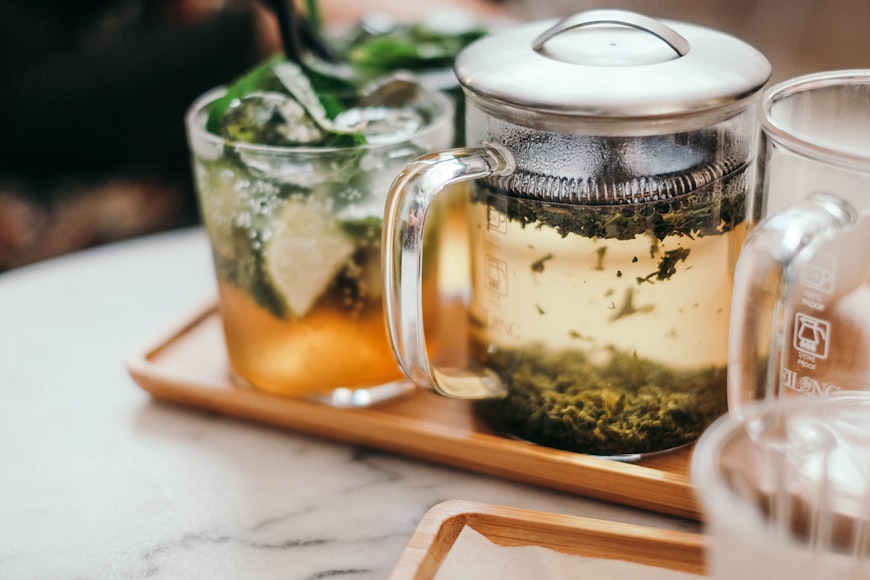
A cup of tea is enough to refresh you up

source

There are different varieties of tea that are popular across the globe. These varieties have been consumed by people for thousands of years. Some people prefer black tea, some like green tea but hardly any of us knew that they come from the same plant. Herbal teas are quite famous across the world, as it helps in tackling stress and anxiety. These herbs present in the tea give impactful results in maintaining stress levels.

Can a cup of tea help anxiety?

Tea is an ancient beverage enjoyed by people worldwide, with a plethora of varieties that cater to different tastes and preferences. From the classic black tea to the refreshing green tea, each variant has its unique flavor and aroma, despite originating from the same plant. However, one type of tea that has gained immense popularity in recent times is herbal tea. Renowned for its stress-relieving properties, herbal tea contains a range of herbs that have a significant impact on reducing stress levels and combating anxiety. Whether it’s a soothing chamomile tea or a revitalizing peppermint tea, the natural ingredients present in herbal tea offer an array of health benefits that make it a go-to beverage for people looking to unwind and de-stress.

Can a cup of tea help anxiety?

source

Are herbal tea safe to drink?

For the most part, herbal teas are considered safe for consumption by most people. As a precautionary measure, it is recommended to conduct thorough research on the composition of herbal teas before incorporating them into your routine, as certain ingredients may cause allergic reactions in some individuals. In fact, there are numerous benefits to including tea in your daily routine.

Firstly, it can aid in reducing morning sickness, providing relief to those who experience this discomfort. Additionally, regular consumption of tea can help alleviate symptoms of Irritable Bowel Syndrome (IBS) in individuals who struggle with digestive issues.

Tea has also been shown to promote better sleep, making it a helpful tool for those who suffer from insomnia or other sleep-related issues. Moreover, certain herbal teas can be effective in reducing stress and anxiety levels, providing a sense of calm and relaxation.

Lastly, for women experiencing menstrual cramps, incorporating herbal tea into their routine may provide some relief from this discomfort. Overall, the benefits of tea are vast and varied, making it a worthwhile addition to anyone’s daily routine.

Let’s find the best for anxiety relief

It is not so easy to find out the best tea which has a market capitalization of over 21 billion US Dollars. But yet we have got you covered on this. Here are 10 amazing tea for anxiety and stress globally;

  • Green Tea: Most people have either tried this themselves or have heard about this tea. It has a lot of health benefits and is often the best beverage on a weight loss journey. But, very few know the fact that it also helps in reducing stress and anxiety if consumed regularly.
  • Lemon Balm Tea: Lemon balm is also a variety of tea that comes with a lemony fragrance and a blend of mint. It is widely popular as the best tea for anxiety and depression. Research also claims that it helps in treating insomnia among people.
  • Ashwagandha Tea: It is an ayurvedic herb that helps in combating stress and anxiety. It is also good for bettering body fatigues. Ashwagandha has loads of anti-inflammatory and antioxidant features which helps in managing stress better.
  • Holy Basil Tea: Holy basil a.k.a. Tulsi is a renowned herbal tea that helps in bettering a person not just physically but also mentally. It has numerous benefits which cover a lot of common problems of people. Be it a normal cough, or a major arthritis pain, holy basil covers them all.
  • Rosemary Tea: Well, whenever a rose comes into your mind, it just refreshes you completely. That’s the power of this tea as well, it helps in complete mind relaxation on consumption. The aroma of rose water helps in reducing anxiousness among people. It is also the best when it comes to wound healing.
  • Chamomile Tea: This is yet another example of a floral herb that helps in maintaining stress levels. Studies also authenticate the fact that long-term consumption of chamomile helps in treating generalized anxiety syndrome as well. Hence, it is considered one of the best tea for anxiety and sleep.
World is full of amazing variety of tea for anxiety and stress

source

  • Centella Asiatica Tea: Centella Asiatica or Gotu Kola is an ancient asian medicinal tonic. The main use of it is to provide the mind the rejuvenation and release of stress and anxiety. People who complain of sleeplessness and acute anxiousness must have this in their routine.
  • Lavender Tea: Lavender tea comes under the category of floral herb which is widely known for soothing moods. But, apart from that it also helps in relieving anxiousness among people. It has many health benefits which help in maintaining healthy skin as well.
  • Peppermint Tea: Peppermint or Mentha Piperita is a plant that is loaded with benefits. Its aroma is enough to reduce the anxiety and fatigue of the human body. There can be various reasons for people to develop anxiety, peppermint tea helps in soothing it quite efficiently.
  • Valerian Tea: Valerian tea is one of the best tea for anxiety and sleep. It is basically a herbal root that helps cure insomnia and other sleeping disorders. It is often given to people who are undergoing any medical treatments. This helps in controlling heart palpitations in case of anxiety attacks.

Now it is left to you to choose which teas are good for anxiety among them. These are one of the most advisable teas out of multiple varieties of them globally. Since now you have got some fair idea on anxiety and stress releasing tea varieties, here is a surprise recipe for you.

Anxiety Tea Recipe

Anyone can collect these different varieties of tea from various sources. But hardly a few of them know about how to make the best out of it. Any good dish is not just prepared by ingredients, a well-versed recipe is a must. Here is one anxiety tea recipe;

Ingredients:

  • 1 tsp dried lemon balm
  • 1/2 tsp dried lavender
  • 1 tsp dried chamomile
  • 1/2 tsp dried eleuthero root
  • 2 tsp dried holy basil
A secret recipe for your health regime

source

How to Prepare?

  • Add all the ingredients into a cup/container.
  • Fill the cup/container with hot water.
  • Boil the mixture for around 20 minutes by covering it from the top which will make sure the best out of these herbs do not escape your container.
  • Soon after the clock ticks the minute 20th remove the plate and filter your tea.
  • Add some extra sweetener if you want it to be a bit sweetish.
  • Sssssuppp! Enjoy your healthy tea!

So, here is a simple recipe to keep yourself away from anxiety, stress, and sleepless nights. Tea has a lot more health benefits to offer. The most important key lies in the rejuvenation of your moods. There’s nothing that can replace tea when it comes to giving you a refresh along with health benefits. Don’t wait, go grab your cup of health as soon as you can!

9 ways to overcome Relationship Anxiety

9 ways to overcome Relationship Anxiety

Relationship anxiety can be overcome with easy steps
Relationship Anxiety can be overcome with easy steps

Being stressed about your relationship is quite a usual thing in early stages of relationship. While you may be looking for a partner for a sense of joy and fulfillment in your life, the questions about your compatibility, longevity and trust can still persist. These may go away as you progress in relationship, but it it’s still destroying your healthy mindset, it can lead to long term anxiety. Relationship anxiety is the term used for all such feelings of doubt, fear and insecurities that can ruin your relationship. It is easy to identify it’s symptoms with some check on behaviour, thoughts and actions. If you are also experiencing relationship anxiety due to whatever reason; maybe the past relation trauma or self esteem, you can overcome relationship anxiety symptoms and continue your relationship in a lot healthier and loving way. So, move down and read along this article to know about 9 best advices to stop relationship anxiety:-

Relationship anxiety symptoms

People with relationship anxiety has certain traits
People with relationship anxiety have certain traits

It is important to first identify the signs of relationship anxiety. People with relationship anxiety often feel disconnected with their partner even while being with them physically. Their actions and words make them feel that something is going wrong. Due to self esteem, a person even tries to sabotage his/her relationship and find different ways to break up. This can be due to lack of trust that even make them doubt the long term compatibility of their connection. Everyday stress makes them avoid the necessary relationship milestones like communicating, sex and planning family. A person feels jealous and irritated, compares his/her relationship with others and even find ways to break up. All these signs show that a person is struggling with relationship anxiety. But, these ways will help you to make your relation continue happily.

1. Finding the cause of your anxiety

Find the cause of your relationship anxiety to overcome it

Finding the root behind your anxiety can help you overcome it. You can be suffering from relationship anxiety due to your low self esteem, lack of confidence, shame and self doubting nature. The past relationship experience when someone cheated on you or unexpectedly dumped you can make you feel insecure. Your behavior of questioning everything, and that about your partner’s words and actions can make your anxious. If the attachment style that you have developed since childhood is insecure, then you have higher chances of getting relationship anxiety. You should assess them then and find ways to control them.

2. Use relaxing activities to calm your mind

Overcome relationship anxiety by doing relaxing activities

Often times, Relationship anxiety is caused due to the stress that you are dealing with in your daily life. This can cause increased heart rate and lightheadedness and make you overthink. You should do some self soothing activities like deep breathing, yoga and Chakra meditation so that you have an improvement in self awareness and cherish the moments fully with your partner. You may choose to use a hypnotherapy session to calm yourself. The method is not significant, what’s important is to implement one that works for you to reduce stress.

3. Bring it to their notice

Stop relationship anxiety by communicating with your partner

Self silencing triggers relationship anxiety. People who do not talk with their partner can easily develop such symptoms. And, it is always advisable to communicate with your partner whatever you feel and honesty explain it. If you don’t like a particular behaviour of your partner, bring the fact to their notice with an understandable reason and how you’re trying to deal with it. If you are experiencing relationship anxiety, tell your partner about this. It is worthy to watch their reaction on your anxiety and can help in strengthening the bond of you both.

4. Enjoy the present moment

Enjoy every moment with your partner to overcome relationship anxiety

You can stop relationship anxiety simply by enjoying the present moment. People having relationship anxiety often spend more time worrying about their past good time and future, than living the present. You can use different mindfulness practices that will help you stay focused on the present. You will be able to prioritize your time with your partner and create new memories with them without worrying about the long term goals of your relation. While facing negativity in life, you both will be able to to sought it out. You will let these negative thoughts move on.

5. Don’t be controlled by your feelings

Control relationship anxiety by controlling your actions

People with relationship anxiety often develop traits of fear, doubt and insecurity. This insecure and doubting feeling makes them do some impulsive actions like checking their text behind them or sending them random texts all day long just to ask them how are they doing or stalking them, just for the purpose of reassuring oneself. Such actions initiated by your anxious feelings can lead to a major conflict. You can avoid impromptu actions on your feelings and ovecome the anxiety by walking, calling a friend or deep breathing.

6. Think about couple therapy

Couple therapy is helpful in overcoming relationship anxiety

Couple therapy is a perfect way to overcome relationship anxiety. Introducing a third party to the stressing life can prove very working in managing relations and building trust between the partners. The third person who is a psychologist knows how to ask every question and discuss everything in a peaceful and clear way. You can ask even trickier questions in front of the therapist and the he will be able to introduce suggestions in the conversation to promote communication among the partners. Even if your relationship stress is in an initial state, you can use couple therapy to solve any problem face to face.

7. Question yourself if the relationship is worth it or not?

Question if the relationship is worth it or not to stop relationship anxiety
Question if the relationship is worth it to stop relationship anxiety

Before overthinking, you should ask yourself a simple question that whether the relationship is worth it or not? Self questioning never gets wrong and even psychologists encourage making self discussion and generating their answers with deep thinking. This question will help you realize that if it’s good to be in the relationship or not. And, you will overcome the anxiety. Remember, the question is not if the relationship is perfect, the question is if you both are good for each other in the relationship. Being imperfect is completely okay. Being good for each other is what really matters.

8. Enjoy a little freedom too

Enjoying a little freedom can help you overcome relationship anxiety

The feelings of relationship anxiety often arises due to the lack of freedom that he/she creates by self. A person revolves all his/her life around his/her partner just to give them a sense of security. To alleviate relationship anxiety, it’s important to prioritize your own pleasure and achieve a balance between security and freedom. Dedicate time to your personal interests and passions to promote a healthy sense of self. Set your personal goals and make ways to achieve them while also enjoying your relation.

9. Remember that everything will get right

Remember everything will be okay to overcome relationship anxiety

When your relationship is facing a tough stage and many negative thoughts are surrounding you, the fear of something getting worse and your relationship coming to an end is common. But, keep in mind that relationship is not the end of your life. You can overcome relationship anxiety simply by being a little mindful. Think that everything will be okay; with the relationship or without the relationship. You have witnessed heart breaks and still moved on, you was living life before this relationship and you’ll be able to enjoy life even with this relationship.

Relationships can seem to be tough to be in and it’s okay to feel so, even if it is not easy to accept so. Every person has it’s own behaviour and thoughts and it can be a bit confusing to assume the success of your relationship in early days. Facing relationship anxiety is also quite obvious and if you are experiencing it, you are not the only one. So, don’t worry. Relationship anxiety is a common problem in couples that can last for a few hours or days; or can even continue for months or years. It’s symptoms are easy to identify. And, you can overcome relationship anxiety by following the 9 easy to follow steps stated above to bring a change in your mindset and get the thing you need in any relation.

How Do Mood Rings Work?

How Do Mood Rings Work?

Mood rings originated in the era of the ’70s and were highly trendy until the late ’90s. The reason for this trend was not just the beauty of the ring rather it was something that was beyond science’s reach in those days. These mood rings actually have the capability to reveal the person’s current mood whosoever is wearing it. Maris Ambats and Josh Reynolds take the honor of showcasing this ring to the world back in 1975.

Mood rings were very popular in the era of 1970's
Mood rings were very popular in the era of 1970’s

source

Mood rings have gemstones made up of quartz or glass which were hollow shells. These hollow shells consist of liquid crystals which are thermochromic. The term thermochromic signifies the science behind how the ring would change color in response to temperature change. It is not like people nowadays do not wear mood rings, you will certainly find some in the crowd, but what is a mood ring? How does it work? There might be many more such curious questions in your mind. So, let us know more about it!

How do mood rings detect your mood?

A mood ring is basically a jewel that reveals the mood of the wearer by changing its colors as per the body temperature. So, how do mood rings change color? These rings have thermotropic liquid crystals present inside them. This liquid crystal is present in the band of the ring and also in the stone where the color change is visible. The liquid crystal present in the ring is highly reactive to the change in temperature.

A phenomenon of twisting or change in position changes the molecular composition of the ring and thus the wavelength of light is changed as well. The change in wavelength actually appears to the viewer as a color change and this is how a mood ring changes color.

The color change phenomenon of mood ring has the scientific connection

source

In simpler terms, the amount of blood that reaches our finger skin is solely dependent on the body temperature corresponding to mood. If a person is anxious, most of the blood will flow to the internal organs thus less blood reaches your finger. The mood ring will change the color according to a lower temperature. Whereas if someone is in a joyful state the blood flow will be at extrema and temperature near fingers will be certainly more. Thus the ring will display the color which is for the higher temperatures.

Do mood rings actually work?

The whole idea behind the mood ring revolves around your body temperature. A normal human body temperature is to be around 98.6°F or 37°C. So, if someone has their body temperature lower than normal the ring would show some dark color. When a person is stressed or anxious the blood would be slightly cold which runs through the organs thus reducing the overall body temperature. This change in temperature will make the ring change to a darker color. Whereas if a person is in a happier or light mood the color of the ring would change accordingly. This mysterious phenomenon is thereby dependent on a correlation between the body temperature and your mood.

Mood Rings are body temperature dependent

source

This actually attracted a lot of people from the younger generation for whom it was fascinating to see the ring change colors. Especially the women section were highly impressed by this jewel despite the questionable accuracy. People often look for the right temperature charts for these rings. But there aren’t any mood ring right temperature charts that have efficient accuracy. There have been several claims based on the assumptions and observation statistics from a different person.

But, it is a matter of individual bodies and their body temperature for different moods. The range of this temperature can be stated by taking the average temperature of the stats but none can specify the exact temperature chart for it.

Meaning of Colors in Mood Rings

There are several colors that pop up on a mood ring whenever the body temperature changes. Since these changes are all based on body temperature so one can’t say this will determine the mood every time. It is a mere probability based on the observations which work behind mood rings. Let us take a look at those colors and their meanings.

Each color of the mood ring has its own meaning

source

Green: Green color on the mood ring comes in different shades. The lighter green color shows that the person is in a relaxed state of mind. The other shades of green color reflect peaceful, energetic, and sometimes mixed emotions.

Black: Whenever the ring is not worn it reflects black color. If the color of the mood ring turns black while wearing, it indicates negativity. The state of mind which is like tiredness, stress, or harassment will always reflect dark colors like black on the ring.

Grey: Mood rings show the grey color very rarely. This color is a symbol of sadness and anxiousness among people.

White: White color indicates the state of boredom or frustration among the person. It also symbolizes the state of confusion.

Blue: The color blue on the mood ring signifies happiness at the prime course. But similar to green, blue as well, has various shades which reflect various moods like love, compassion, and sometimes even deep thinking.

Red: The color red basically associates with the emotional state of mindset. The deeper shade of red color on the mood ring symbolizes love and passion. The lustrous red reflects a state of anger and excitement whereas the orange alike redness shows signs of aggression and stress.

Purple: This color appears on the mood ring when a person is in a balanced state of mindset. The other reddish shade of purple would indicate the person is in a desperate mood.

Pink: Pink color on the mood ring reflects calmness and relaxation. This is generally the color that signifies affection and happiness in the mood of the wearer.

Yellow: The various shades of yellow color on the mood ring reflects a mixed range of emotions. It could be an imaginative state of mind in which the wearer is or it could relate to being upset and anxious.

Final Verdicts

Mood Stone or Mood Ring, the color-changing sensation from the era of the ’70s can still be seen in some hands today. The mood ring will work completely fine unless there is a degradation in the material due to long-term usage. With time passing and craze down trending, these rings seem to be out of fashion these days. But, the curiosity to experience this phenomenon makes people go after it even today.

Popularity of mood rings are from the olden days

source

The accuracy of these mood rings is still questionable as they are just body temperature and probability dependent. So, all those who look to experience something new should definitely try this out. The fascinating color changes are good enough to blow your minds in the very first impression of these mood rings!