


Isokinetic Exercise – Examples and Advantages
Isokinetic exercises are a type of exercise where customized exercising equipment is used to perform it. The word isokinetic comes from two words ‘iso’ and ‘kinetic’. The word ‘iso’ means ‘same’ and ‘kinetic’ refers to ‘motion’. Hence, the meaning of the exercise is right there in its name which states performing exercises at the same pace or motion.


There are multiple workout equipment available these days but not all fall under the category of isokinetic exercises. The machines used for these exercises are specially designed to produce a constant speed. The pace of any exercise can be under the user’s control using these well-equipped machines. These machines often come with detachable attachments for multi-usage. Isokinetic exercises are mostly for building endurance and strengthening muscles.
Isokinetic Exercise Equipment
- Dynamometers: These are customized equipment that has the role to let a person perform exercises in a controlled fashion. The dynamometer measures and records the force outputs. These are body part-specific machines available that focus on areas like chest, abdomen, shoulders, knees, etc. The main advantage of this equipment is the all-in-one property.


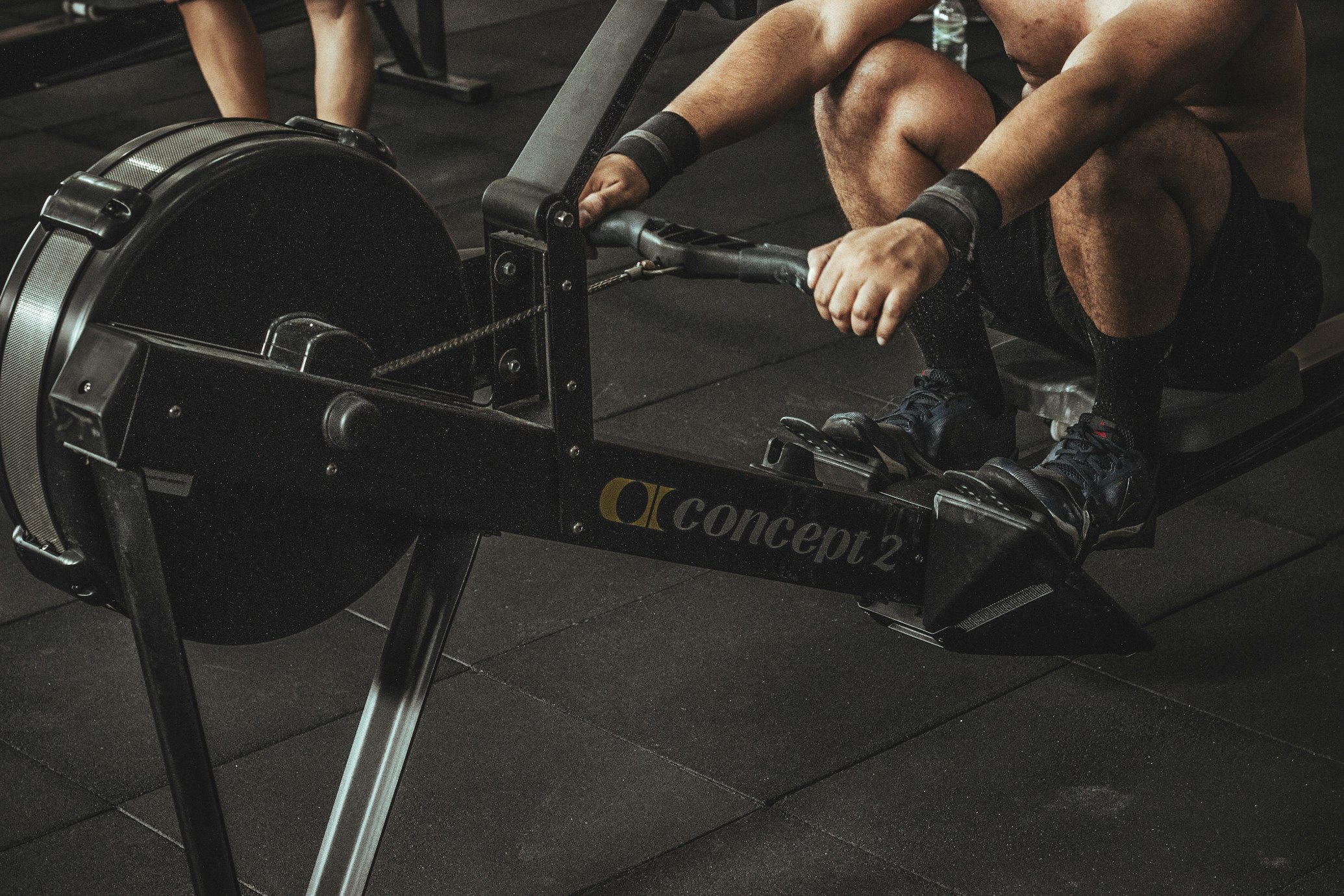
- Stationary Cycles: These are specially designed equipment which an individual can customize as they like. It responds to the constant leg movement from the person. In the case of having a trainer while working out, they have the privilege to set the machine up as per the level of exercise. For instance, if the person pedals at 30 revolutions per minute and this is a level 1 resistance. So, if the trainer levels up then the individual must increase their pedals per minute to match the speed.


- Treadmills: These are the best set of equipment available for isokinetic exercises. People have the advantage and variety while using these machines. They can go on the manual mode by working out with their efforts. Also, it provides an option to customize the speed and timing on the track so that the person matches up to it and performs a good set-up automated training. These special features make it one of the best isokinetic exercise examples at home.


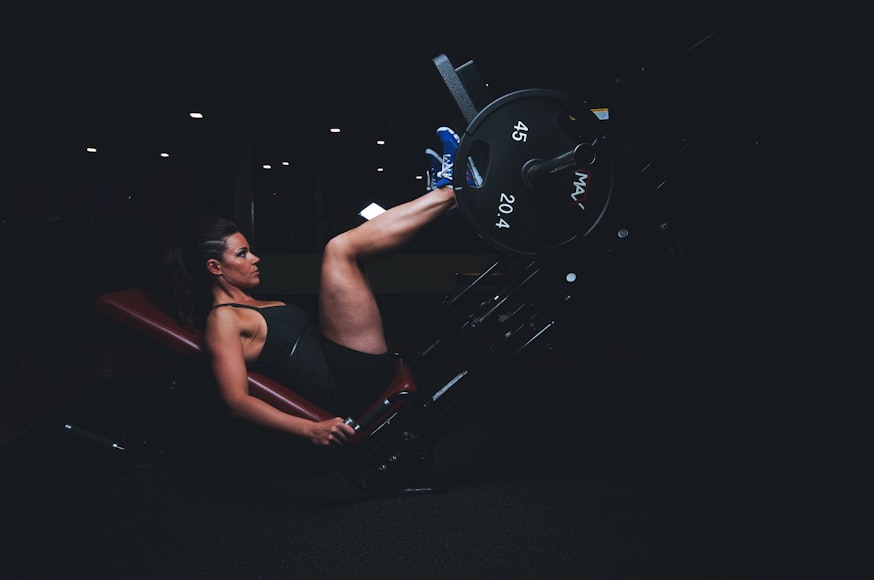
- Leg Extension Machine: These are one of the best examples of isokinetic exercise for the legs. Here the machine stays fixed at its place and has a set number of variable resistance(weight plates). So if an individual wants to get harder burns of their muscles they can easily increase the resistance for these machines.

Advantages of Isokinetic Exercises
Any form of exercise has its advantage, same is the case with isokinetic exercise. These exercises if performed with proper guidance and discipline often lead to resolution of any injury impact or helps individuals attaining their fitness goals. A well-balanced isokinetic training helps in improving flexibility and cardiovascular health.
There are many advantages of Isokinetic Exercises, some of them are;
- The sole aim of these exercises is to challenge the body to the limit. This makes the person work towards strengthening and endurance.
- There are minimal chances of injuries since the individuals are well aware of their body’s resistance.
- The body muscles which have their involvement during the exercise get strength through the resistance.
- It also helps in enhancing the range of motion of different body parts. In this way, the muscle fibers can work out in a wider range.
- As the speed and resistances are under the user’s control, it helps in preventing injuries and control the overall muscle development.
- People can have ample amount of rest during these exercises which helps them to avoid fatigue.
- Since there is a good amount of gap between the exercise reps, hence people get rid of lactic acid generates during these exercises. This helps in staying active without much pain or aches.

Disadvantages of Isokinetic Exercises
Everything which has pros will surely be having some cons as well. It is true in the case of isokinetic exercise as well. In most cases, these exercises are safe enough when it comes to resistance-based training. It has higher significance for people with some medical complications.
The resistance in these exercises makes sure that the person is not going beyond the limit. This can sometimes be beneficial for the people and sometimes not. If the person has to make sure that they should not go beyond the resistance it is remedial for them. But when a person is fit and fine, they can end up putting in some extra effort or weight which can cause some tear or injury to the muscles.
The major disadvantages of isokinetic exercise are;
- In these exercises, the weights are mostly fix up to a certain limit. Hence it doesn’t adjust dynamically to the motion or the force from the person.
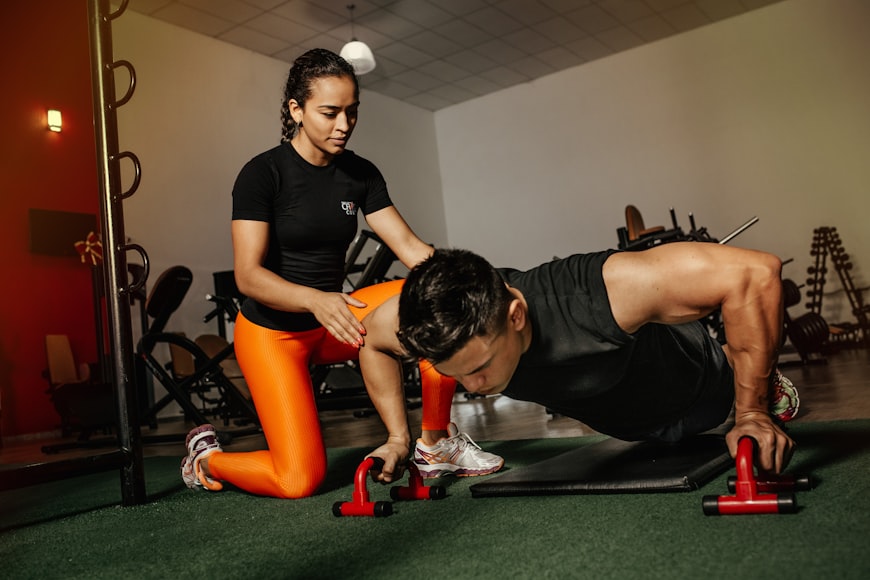
- Some of the isokinetic exercises need an instructor to be present in order to carry them smoothly, thus, it becomes a bit challenging.
- Most of the time the momentum of the weights pushing the person forward reduces the strength required at the peak of joint motion.
- Most of the equipment which helps in performing these exercises is not so pocket-friendly. The overhead expenses are quite high.
More about Isokinetic Exercises
Isokinetic exercise helps in improving the core muscles and spine support of an individual’s body. During these exercises, the length of the muscle keeps on changing even when the velocity of muscle contraction remains the same. This phenomenon is isokinetic muscle contraction. Isokinetic exercises are mostly for the athletes to train as it helps them in improving their performance.
For instance, a runner can improve their running ability, whereas a swimmer can improve their swimming since the body’s range of motion comes under impact by these exercises. Full range isokinetic shoulder rotation (external and internal rotation) are a special set of isokinetic exercise for shoulders. There are a few more exercises like isometric shoulder flexion, isometric shoulder abduction which is followed in the rehab centers.

Isokinetic exercises are most common among athletes as well. It helps in correcting muscle imbalances and also recovery. But choosing the equipment for these exercises will basically depend on the goals of the individual.
Final Verdicts
The most versatile equipment is the dynamometer as it has the special ability to provide the perfect match. It checks the resistances as per the individual’s strength and ability to sustain the movements. Hence, this is one of the best when it comes to identifying the best-suited training needs of the people who want to practice isokinetic exercises.
These exercises are often for people who are under rehabilitation or consultation with physiotherapists. The best part of the dynamometer is it provides all basic information about everything related to the body. This makes the job for the consultants much easy to decide what needs to have more attention and time.

Isokinetic exercises help in boosting strength and endurance for those who practice it with discipline. But prior to starting these activities, proper advice must be there from the medical experts or trainers. If someone has any injury background they must know their resistance before starting doing these exercises.
Generally, a combination of these isokinetic exercises along with some aerobic exercises and flexibility exercises gives the best outcome. So, overall one can have a plan or chart of exercises which are a combo of isometric, isotonic, and isokinetic exercises. This will certainly help in all-around body development with stability. Don’t Stop, Keep Chasing Your Fitness Goals!